CHAMEE YANG

Photo by Joyce Mak 📷
I am an Associate Professor of Communication at Seoul National University, a researcher and educator working across media history/theory, technocultural studies, and science and technology studies (STS).My research examines the history and politics of the "smartness" across Asian/global contexts. While digital technologies are often presented as the solution to seemingly new problems, my research asks how and why certain conditions come to be understood as problematic in the first place: how they are historically and socioculturally constituted, how long standing concerns about mobility, security, economy, and development become incorporated into problems presented as new.I am the author of City in a Future Tense: The Making of a Smart City in South Korea (University of California Press, 2026). My work has appeared in Science, Technology, & Human Values, Big Data & Society, International Journal of Communication, Telematics & Informatics, and Communication & Sport, among other venues, and has been supported by the American Council of Learned Societies (ACLS).Previously, I held Postdoctoral positions in the Massachusetts Institute of Technology (MIT), University of Illinois at Urbana Champaign, and Georgia Institute of Technology. I earned my Ph.D. in Communications and Media from the Institute of Communications Research (ICR) at the University of Illinois at Urbana-Champaign (UIUC). Prior to my doctoral studies, I received both my M.A. and B.A. in Communication from Seoul National University.
NEW PUBLICATION

"City in a Future Tense transports readers to the iconic smart city of Songdo, where Chamee Yang provides an insightful analysis of how technology-infused urbanization takes shape through social worlds and imaginaries."
―Jennifer Gabrys, Chair in Media, Culture and Environment, University of Cambridge"An innovative and critical intervention into the study of smart cities and ideas of 'the nation.' The book advances the original concept of 'developmentality' to show how smart city formation operates not through top-down imposition but through the cultural production of future-oriented national imaginaries. Spanning four decades of archival research and fieldwork, Yang moves beyond familiar critiques of platform capitalism and smart cities to reveal how collective aspirations, anxieties, and techno-nationalist mythologies are the real infrastructures undergirding smart urbanism."
―Orit Halpern, coauthor of The Smartness Mandate
My book, City in a Future Tense: The Making of Smart City in South Korea (University of California Press), is available both open access (free) and in print. By tracing the history of Songdo -- known as one of the first "smart cities" in the world -- the book offers a cultural, historical, and locally grounded account of smart urbanism.The book opens with a question: "When, where, and how does a smart city begin?" Much like the idea of the future itself, smart city is often offered as a horizon of possibilities: a provisional testbed holding the promise of optimization and constant update, while repeatedly renewing what constitutes its goal, whether sustainability, development, security, or something else. Importantly, the conceptual flexibility produces a strategic vagueness, allowing developers, vendors, and city officials to sidestep difficult questions about feasibility and material consequences, while continually postponing the fulfillment of the smart city's promise.Despite persistent criticism, these visions have continued to survive, serving as an enabling context for the smart city's continued appeal. Instead of dismissing them simply as 'hypes' or 'myth', the book suggests it is worth exploring how these visions and aspirations matter, not necessarily because they are true, but in part because sometimes they inspire people to take a leap of faith, even if they defy reason.To truly understand the smart city, we must trace the deep cultural starting points of its historical present: the ways that societies have imagined, facilitated, negotiated, and debated its trajectory from past to present and into the future. Songdo, one of the first prototypes of a smart city built from the ground up, is a good place to think about the performativity of the future as a driver of smart urbanism. Spanning a longer historical arc than most accounts of smart cities, the book shows how the cultural work of will formation continually reimagines the future as both promise and threat -- serving as a psychological infrastructure of the smart city.
RESEARCH
My research traces multiple iterations of "smartness" dating from the 1960s to the present, asking how environments, infrastructures, and subjects have come to be imagined as systems that can be sensed, known, and optimized. It is organized around four thematic spaces: Transportation/Communication, Security/Surveillance, Environment/Systems, and Culture/Economy of Smartness. Each project addresses distinct problem areas and profound ambivalences that characterize the digital (e.g. open/closed, freedom/control, direct/diffused, centralizing/decentralizing), with '/' denoting 'both' and 'and': a co-existence of seemingly contradicting features. Across these projects, I examine how techniques and technologies have been mobilized to address problems ranging from infectious disease and crime prevention to traffic management and urban development, and how these interventions draw upon longer histories of technological and political thought.Cybernetics, information theory, and systems thinking are central to this history. As much as they are theories about machine, intelligence, and organism, they are also deeply tied to the political project of govenmentality and citizenship: with questions of how individuals, populations, and environments can be known, organized, regulated, and made responsible for their own security and well-being.
TRANSPORTATION/COMMUNICATION
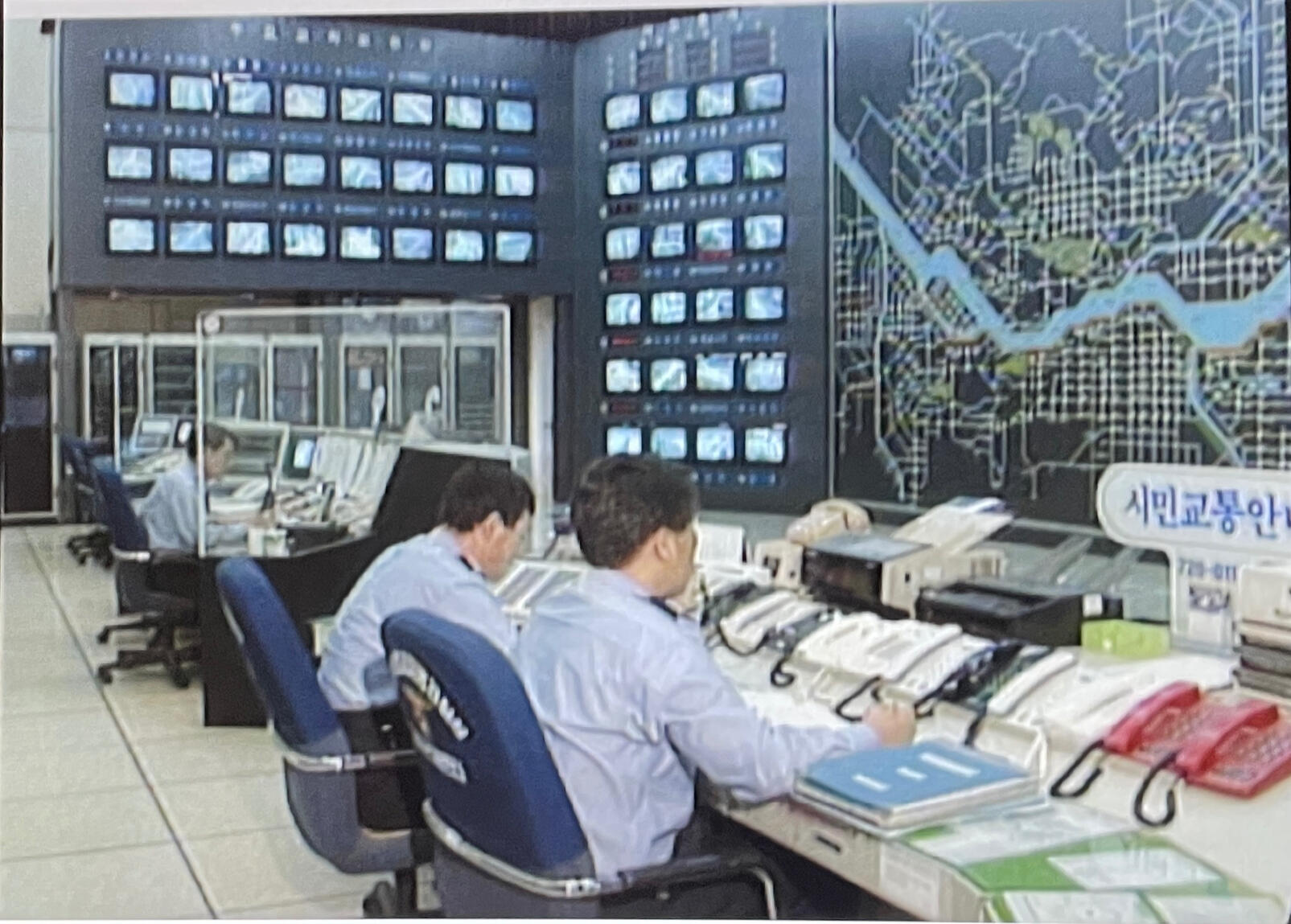
Image Source: KBS Media (1997). Special Report: A Solution to the Traffic Problems of 10 Million Cars.
TRANSPORTATION/COMMUNICATION is concerned with the material and infrastructural ways in which movement is enacted and regulated in cities. Specifically, it asks: how has communication served as both a model and a mechanism for controlling the physical movement of things -- from traffic to viral transmission? What is the longer history of imposing control and order on urban movement such as traffic regulation and monitoring systems like the ITS (intelligent transportation system) and smart vehicles? And how have dispersed forms of communication been coordinated in their efforts to facilitate, regulate, and regularize movement? These questions grow out of my longstanding interest in the relationship between communication and transportation, in conversation with scholarship in mobility studies and urban studies. This line of inquiry also forms the basis of the first chapter of my book, City in a Future Tense.A current project in preparation examines the tensions surrounding efforts to restore and expand undersea cable network and ferry routes between Korea and Japan since the 1960s. It traces a network of multiple actors -- including port authorities, ocean scientists, sailors, and fishermen -- who converged and diverged in their visions of communication across the oceanic border, while testing the territorial limits of sovereignty.Yang, C. (2024). Governing Transportation Through Communication: A Cultural History of Intelligent Transportation System (ITS) in South Korea. International Journal of Communication, 18(2024), 3873-3892.Yang, C. (2022). Digital Contact Tracing and Pandemic Cities: Problematizing the Regime of Traceability in South Korea. Big Data & Society, 9(1), 1-13.Yang, C. (2017) Paradox of Mobility and Spatialization of Technological Utopia. In T. F. Tierney. (Ed.). Intelligent Infrastructure: Zip Cars, Invisible Networks, and Urban Transformation (pp.186-208). Charlottesville: University of Virginia Press.
SECURITY/SURVEILLANCE
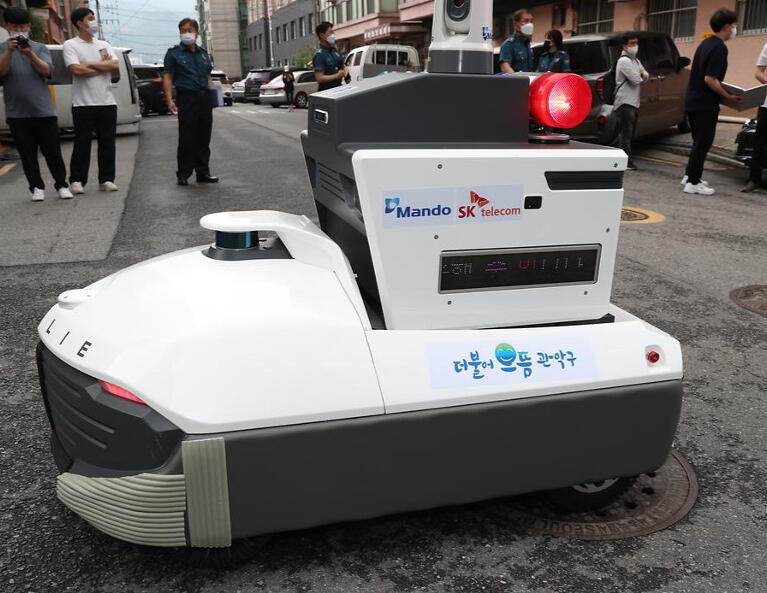
Image source: Gwanak-district (Seoul) office website, 2022
Navigating urban life means calibrating our senses and behaviors in anticipation of various kinds of risks, both real and imagined, including accidents, crime, disaster, toxic hazards, and more. My projects on SECURITY/SURVEILLANCE have investigated the various ways in which risks are envisioned and enacted through surveillance technologies, and how the constant renewal of insecurity normalizes surveillance as a condition of contemporary urban life.From a techno-cultural perspective, I argue that surveillance is about more than the rollout of new technologies by the usual suspects, such as the 'state' and 'corporations'. Understanding why surveillance works -- and often with apparently little friction -- requires both cultural (technological) and historical approach to the deeply contradictory and ambivalent experiences of safety and insecurity that underlie our willingness to watch and be watched, by others as well as ourselves. Safety, in other words, is never singular: it is situated, unevenly experienced, and frequently ambivalent.Along these lines, I have written pieces interrogating the idea of "scientific security," which is accomplished, on the one hand, by invoking the necessity of women's safety, traffic safety, gun violence, and responses to public health crises (such as COVID-19), and, on the other, by presenting high-tech surveillance technologies as solutions to these problems.Yang, C. (2025). On Techno-Optics of Safety: Surveillance, and Ambivalence of Women’s Experiences in Seoul’s “Smart Safe City.” Science, Technology, & Human Values, 50(6), 1140-1169.Yang, C. (2025). Cultivating Vigilant Drivers Through TV: On the Cultural Work of Dashcam Videos and Normalization of Surveillance. International Journal of Cultural Studies, 28(3), 669-684.Yang, C., Balasubramaniam, G., Belitz, C., & Chan, A. (2023). Resisting Data Colonialism and Digital Surveillance in a Midwestern Classroom: Exploring Community-driven Alternatives to Automated License Plate Readers. In Tiera Común Network. (Eds.). Resisting Data Colonialism: A Practical Intervention (pp.81-86). Institute of Network Cultures, Amsterdam.Yang, C. (2022). Digital Contact Tracing and Pandemic Cities: Problematizing the Regime of Traceability in South Korea. Big Data & Society, 9(1), 1-13.
ENVIRONMENT/SYSTEM
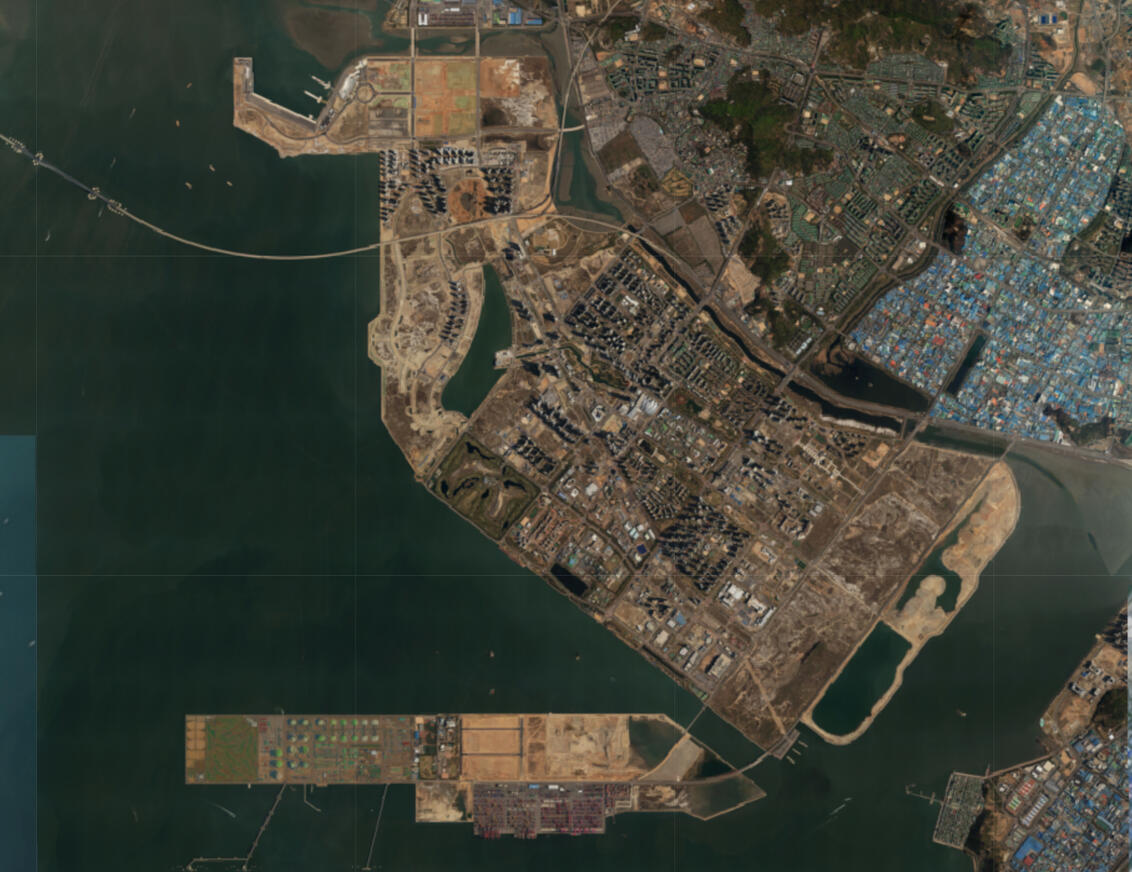
Image source: Google earth engine
ENVIRONMENT/SYSTEM is mainly concerned with "becoming environmental" of media, broadly defined, and examines the interface between environment and system. The inquiry distinguishes the green goals of environmentalism from 'environmentality', which denotes a broader mode of "governing through milieu," whereby power is exerted by shaping the material conditions of environments themselves.An early piece of writing on this topic investigated the discursive nexus between smart urbanism and sustainable development, which gave rise to the idea of the "smart sustainable city" and the problematic assumption that going digital is equivalent to going green. This was accompanied by apparatuses such as carbon calculation schemes, environmental standards, and green certifications like LEED (Leadership in Energy and Environmental Design), all of which are predicated on a systemic way of viewing the environment -- that is, the environment as an ecosystem.Yang, C. (2025). On Techno-Optics of Safety: Surveillance, and Ambivalence of Women’s Experiences in Seoul’s “Smart Safe City.” Science, Technology, & Human Values, 50(6), 1140-1169.Yang, C. (2020) Smart City and the Reinvented Politics of Governing through Datafied Environment. In J. Diaz-Pont, P. Maeseele, A. E. Sjölander, M. Mishra, & K. Foxwell-Norton. (Eds.). The Local and the Digital in Environmental Communication (pp.203-221). Palgrave-Macmillan.
CULTURE/ECONOMY OF SMARTNESS
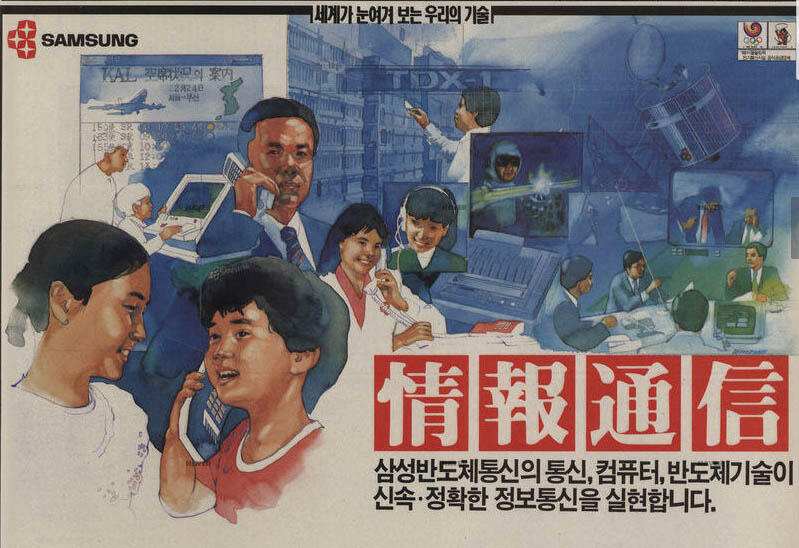
In CULTURE/ECONOMY OF SMARTNESS, imaginaries, mythologies, and discourses of technological future are examined through the lens of genealogy. In a rough sense, genealogy refers to a narrative designed as a form of a 'history of the present' that traces the network of associations between seemingly disparate historical periods and events. How a particular vision of the future becomes desirable (creative, sustainable, smart, etc) is a complex process that parallels with the process of shaping a moral economy of the self and citizenship (e.g. what it means to be a good citizen) as they together shape the present.I am currently working on a text that investigates the history of Home Automation (HA) system in the 1970s-1980s and its relationship with the institutionalization of Home Economics education that fostered a systematic understanding of a household and the role of housewife as a conductor/manager of a system.Yang, C. (2020). Historicizing the Smart Cities: Genealogy as a Method of Critique for Smart Urbanism. Telematics and Informatics 55, 101438.Yang, C. (2020) Seeing the Future in the Mirror of the Past: Technologies of Cultural Governance and the Reclamation of ‘Creative’ History in Seoul. In C. McCarthy, K. Goel, E. Bulut, W. Crichlow, B. N. Sanya, & B. Henson. (Eds.). Spaces of New Colonialism: Reading Schools, Museums, and Cities in the Tumult of Globalization (pp.261-281). Peter Lang.Yang, C. (2019) Invisible Technologies and Loud Narratives: A Critical Deconstruction of the Songdo ‘Smart City’ Project in Korea. In H. Bekkering, A. Esposito, & C. Goldblum. (Eds.). Ideas of the City in Asian Settings (pp.331-354). Amsterdam: Amsterdam University Press.
TEACHING
I have developed and taught courses related to critical/cultural studies of technology (data, cities, infrastructures) and media studies. The courses combine various learning modules, including conceptual, empirical, project-based inquiries, that are designed to cultivate students critical thinking and qualitative research skills.
CRITICAL COMM IN THE AGE OF BIG DATA AND AI (G/U)
See the collection of student final projects from Fall 2024, Fall 2025
DATA AND TECHNOCULTURE 데이터와 기술문화 (U)
See the collection of student final projects from Spring 2025
QUALITATIVE RESEARCH METHOD(OLOGY) 커뮤니케이션 질적방법론 (G/U)
See the collection of student final projects from Fall 2023
STUDIES IN EAST ASIAN MEDIA (G)
See the collection of student final projects from Spring 2023
COMMUNITY DATA (G)
See the student project presented at the Urbana City Council meeting in May 2022Part of the student project was published in:Yang, C., Balasubramaniam, G., Belitz, C., & Chan, A. (2023). Resisting Data Colonialism and Digital Surveillance in a Midwestern Classroom: Exploring Community-driven Alternatives to Automated License Plate Readers. In Tiera Común Network. (Eds.). Resisting Data Colonialism: A Practical Intervention (pp.81-86). Institute of Network Cultures, Amsterdam.Community Violence Reading List
PUBLICATIONS
BOOKS
JOURNAL ARTICLES
BOOK CHAPTERS
Yang, C. (2025) Communication, Community, and Educating Citizenship Competence: The Case of Communication Qualitative Research Methods Course. In Kim, E. (Eds.) Social Science Project-Based Learning (PBL) and Citizenship Competence Education (pp. 291-315). Seoul: Parkyoungsa. [In Korean]
Yang, C., Balasubramaniam, G., Belitz, C., & Chan, A. (2023). Resisting Data Colonialism and Digital Surveillance in a Midwestern Classroom: Exploring Community-driven Alternatives to Automated License Plate Readers. In Tiera Común Network. (Eds.). Resisting Data Colonialism: A Practical Intervention (pp.81-86). Institute of Network Cultures, Amsterdam.
Yang, C. (2020) Smart City and the Reinvented Politics of Governing through Datafied Environment. In J. Diaz-Pont, P. Maeseele, A. E. Sjölander, M. Mishra, & K. Foxwell-Norton. (Eds.). The Local and the Digital in Environmental Communication (pp.203-221). Palgrave-Macmillan.
Yang, C. (2020) Seeing the Future in the Mirror of the Past: Technologies of Cultural Governance and the Reclamation of ‘Creative’ History in Seoul. In C. McCarthy, K. Goel, E. Bulut, W. Crichlow, B. N. Sanya, & B. Henson. (Eds.). Spaces of New Colonialism: Reading Schools, Museums, and Cities in the Tumult of Globalization (pp.261-281). Peter Lang.
Yang, C. (2019) Invisible Technologies and Loud Narratives: A Critical Deconstruction of the Songdo ‘Smart City’ Project in Korea. In H. Bekkering, A. Esposito, & C. Goldblum. (Eds.). Ideas of the City in Asian Settings (pp.331-354). Amsterdam: Amsterdam University Press.
Yang, C. (2017) Paradox of Mobility and Spatialization of Technological Utopia. In T. F. Tierney. (Ed.). Intelligent Infrastructure: Zip Cars, Invisible Networks, and Urban Transformation (pp.186-208). Charlottesville: University of Virginia Press.
CONTACT
Email: [email protected]
Bluesky Instagram
On sabbatical 2026
EVENTS
INVITED TALKS
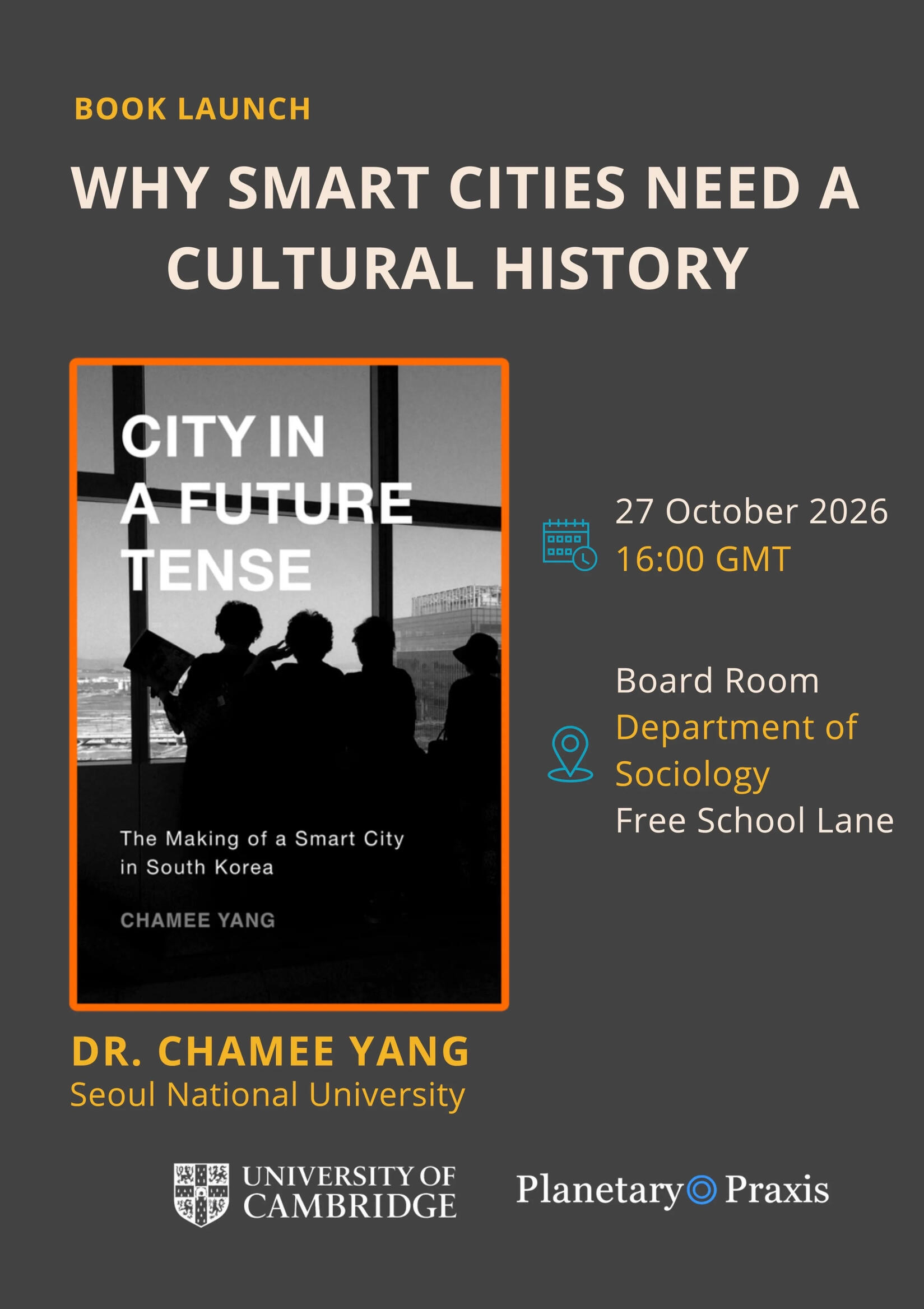
Book talk "Why Smart Cities Need a Cultural History"
When: Oct 27 2026 4PM
Where: Department of Sociology Board Room, University of Cambridge
See the announcement on Planetary Praxis
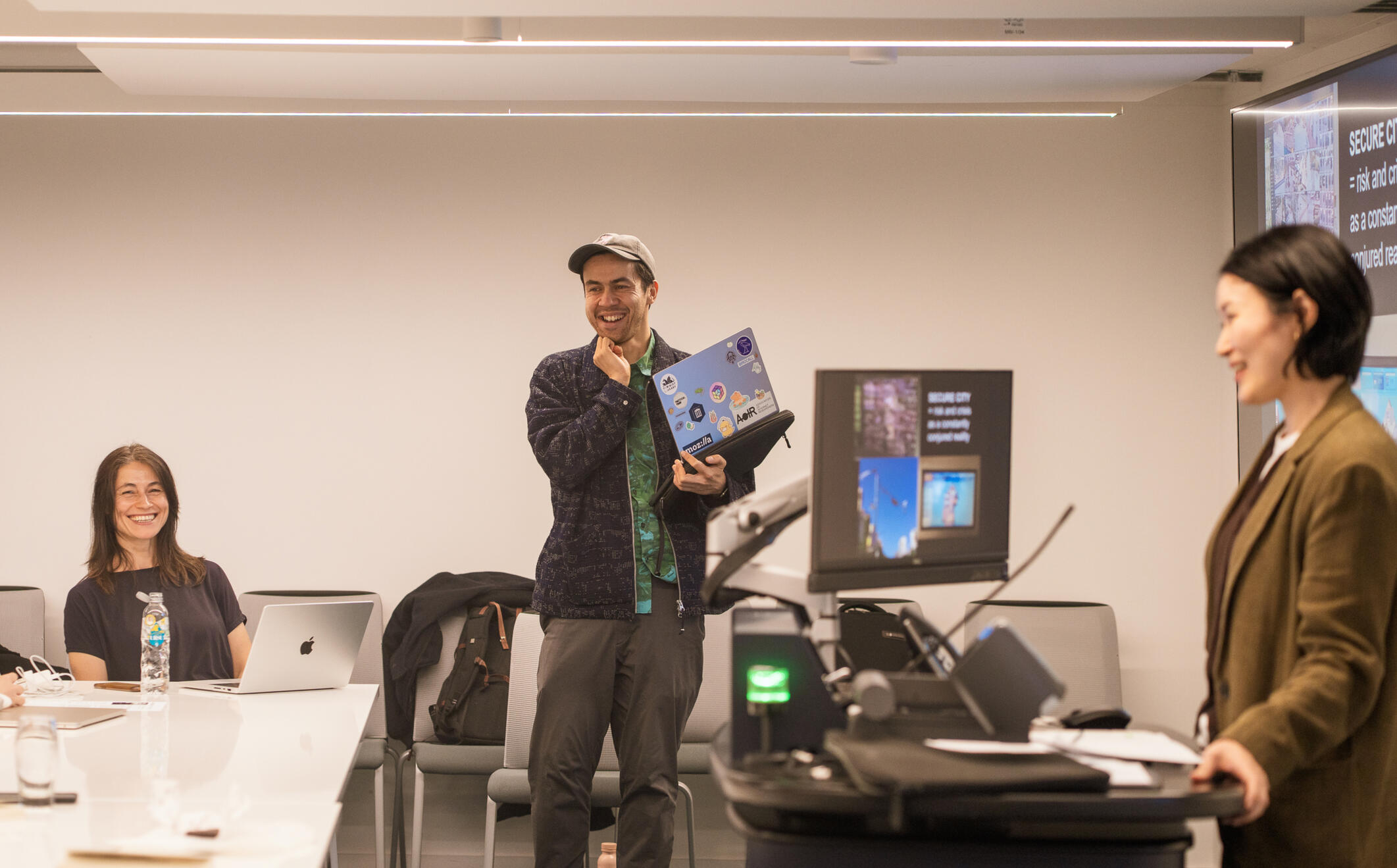
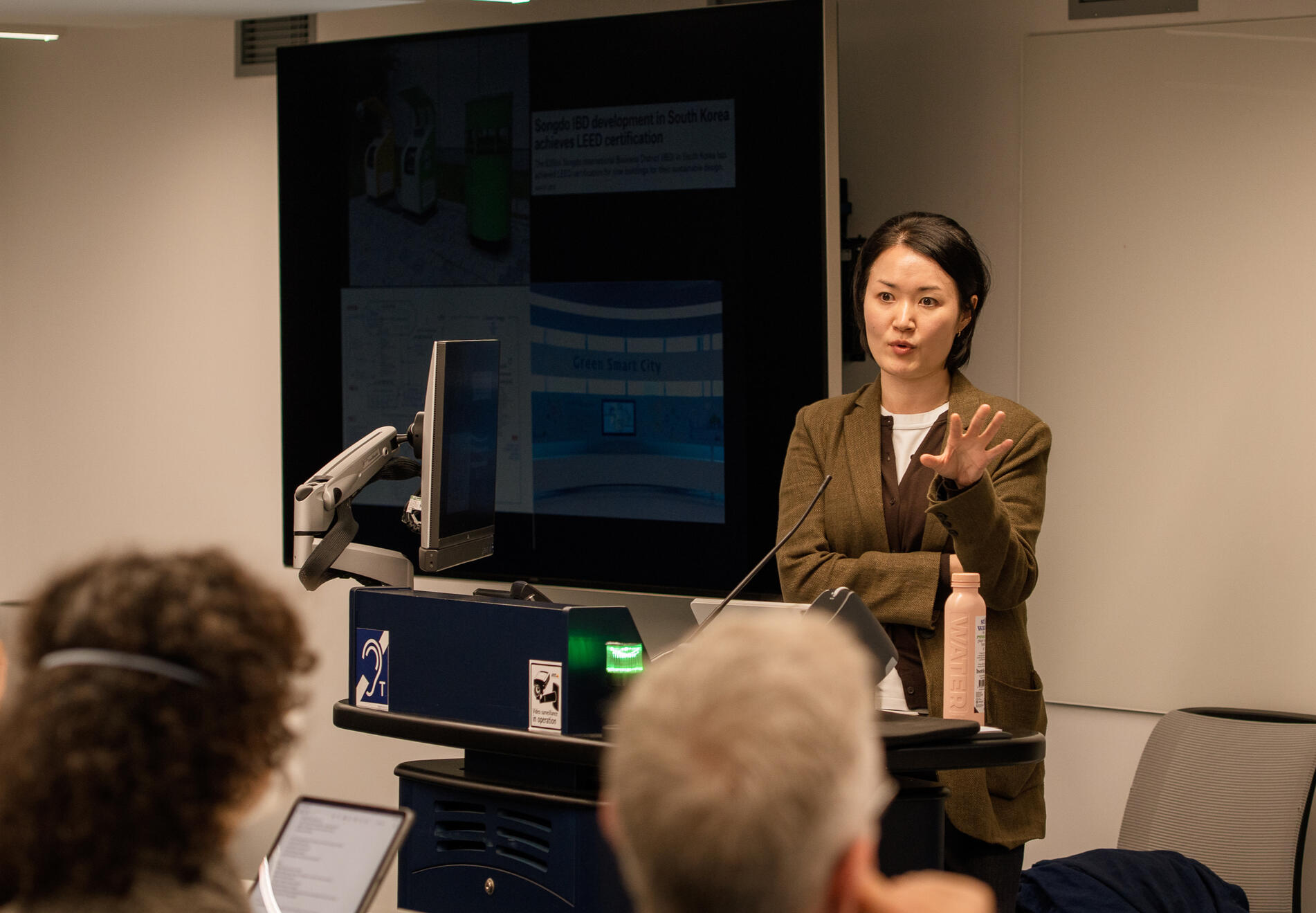
✨[Book Talk] Why Smartness Needs a Cultural History✨⏰ Oct 14 2026 5-7PM
🏠 Embankment Room, Macadam Building, Strand Campus, King’s College London, WC2R 2NS
Event information and tickets hereMy first book talk in London was organized by the King's College London Department of Digital Humanities and the Centre for Digital Culture, where I have been a visiting scholar from Aug to Oct 2026.
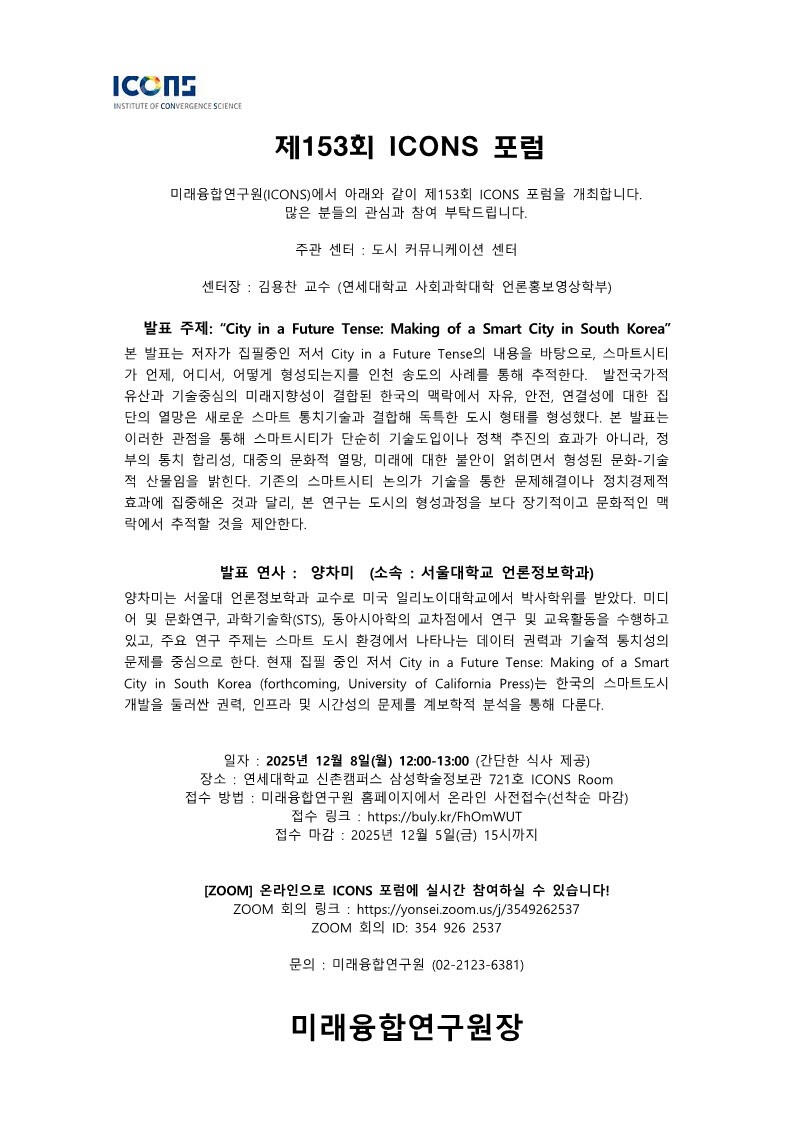
Institute for Convergence Science (ICONS) Forum @ Yonsei University, Seoul, Dec 8 2025
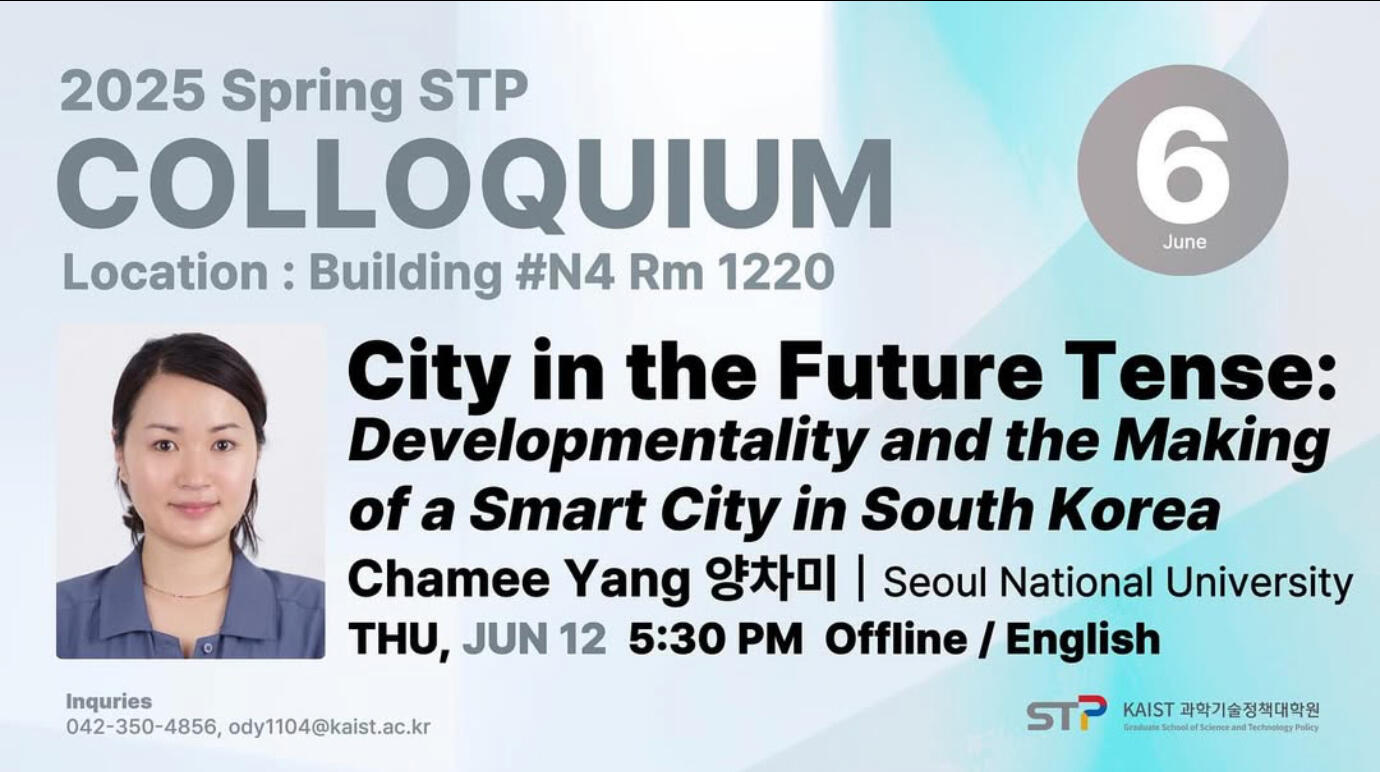
Science, Technology, Policy (STP) Colloquium @ Korea Advanced Institute of Science and Technology, Daejeon, June 12, 2025
WORKSHOPS
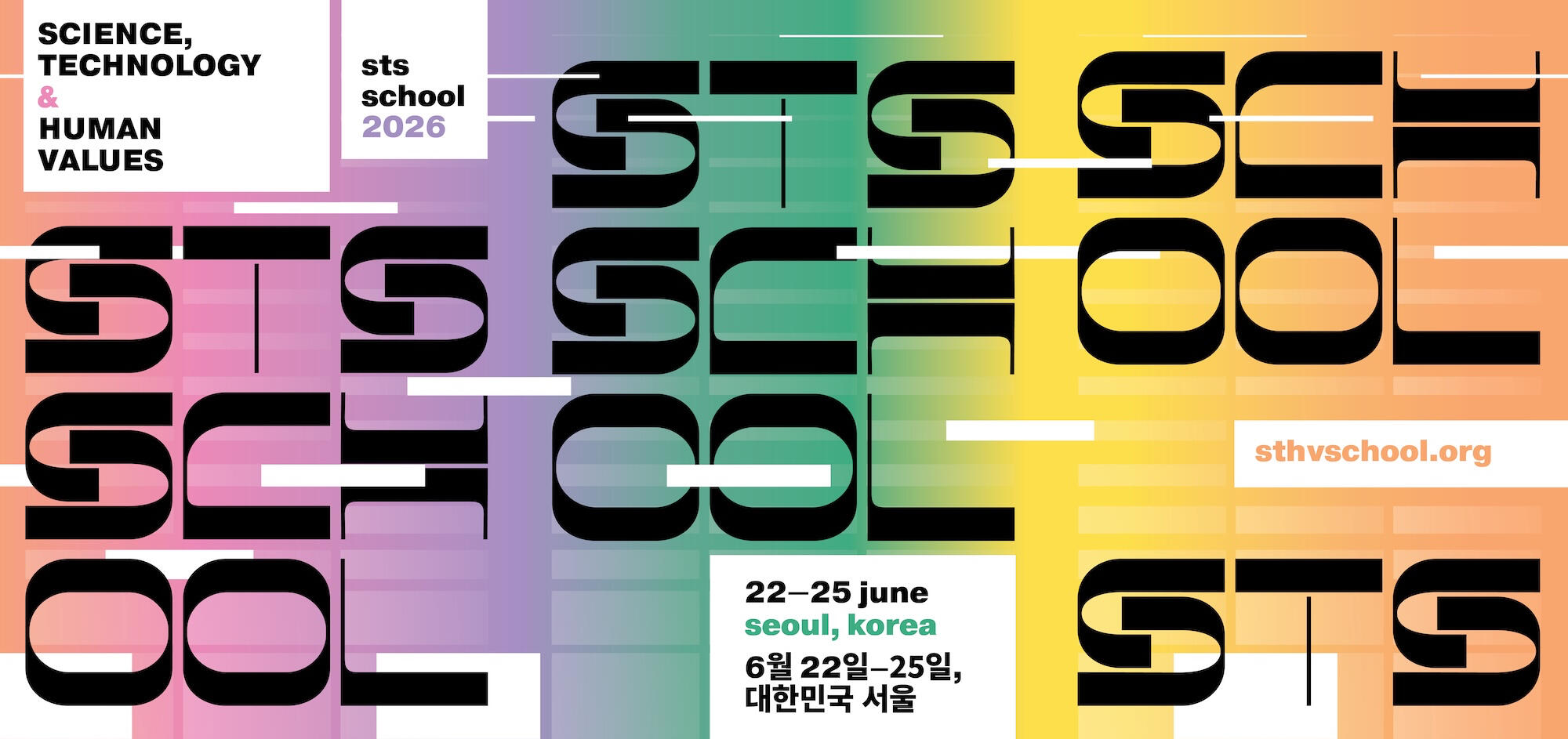
Science, Technology, & Human Values Summer STS School (STS STHV 여름학교) June 22-25, 2026Sponsor: Science, Technology, & Human ValuesHosted by: Department of Science Studies, Seoul National University and KAIST Graduate School of Science and Technology PolicyWith support from: Korean Association of STS (KASTS) and AusSTS NetworkInstructors: Doogab Yi, Chihyung Jeon, Myung-Ae Choi, Chamee Yang, Timothy Neale, Courtney Addison, Kari Lancaster, Matthew Kearnes, Thao PhanKeynote Instructor: Shobita Parthasarathy
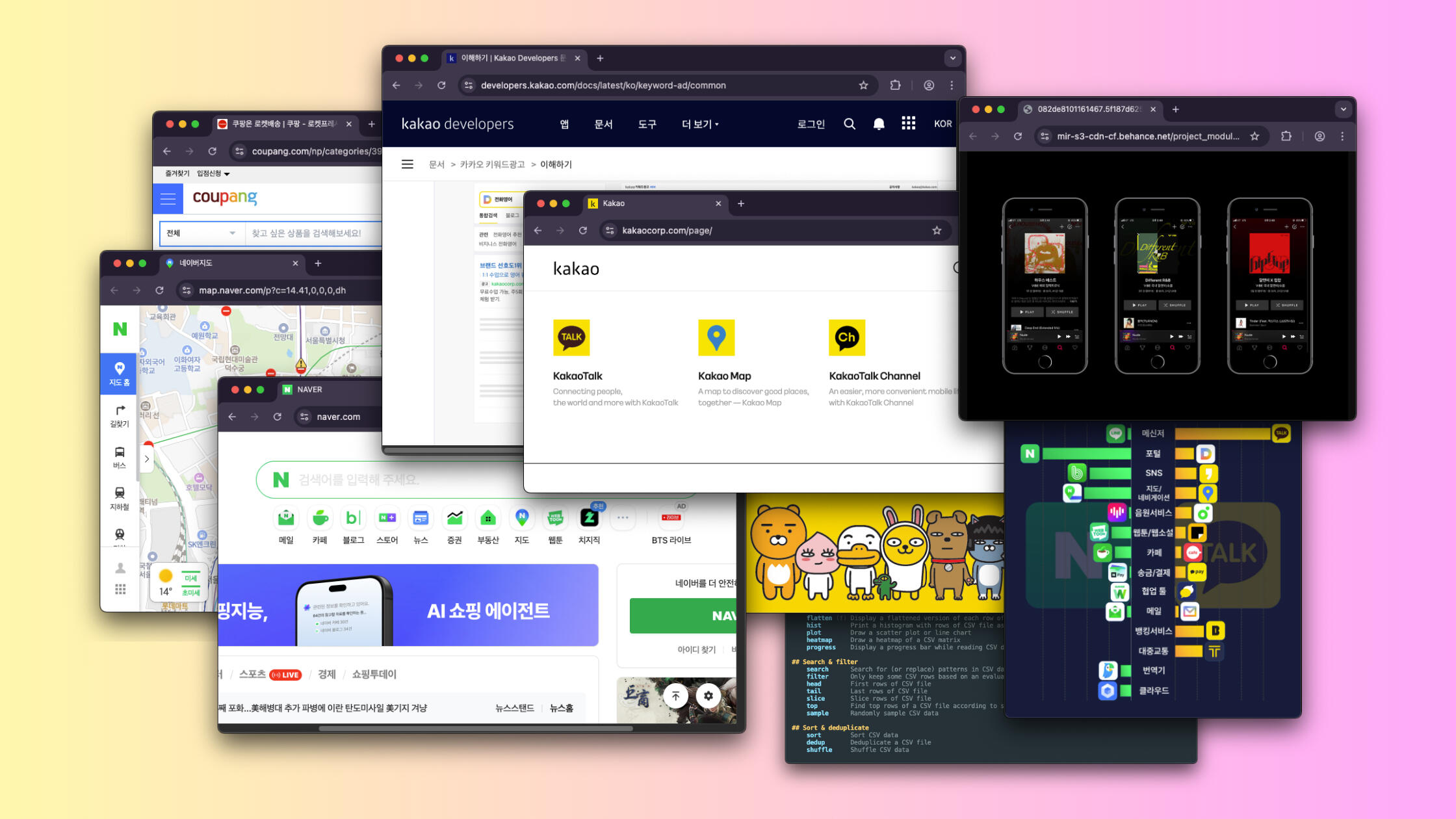
✨ studying internet culture ✨a digital methods colearning workshop
@ Seoul National University, June 8-9, 2026with Jonathan W. Y. Gray & Liliana Bounegru*Link to cfp hereThe workshop is organized as part of the k-platforms project: Co-developing tools and methods for studying digital platforms and cultures in South Korea, a collaboration between King’s College London, Seoul National University and the Korea Advanced Institute of Science & Technology (KAIST)
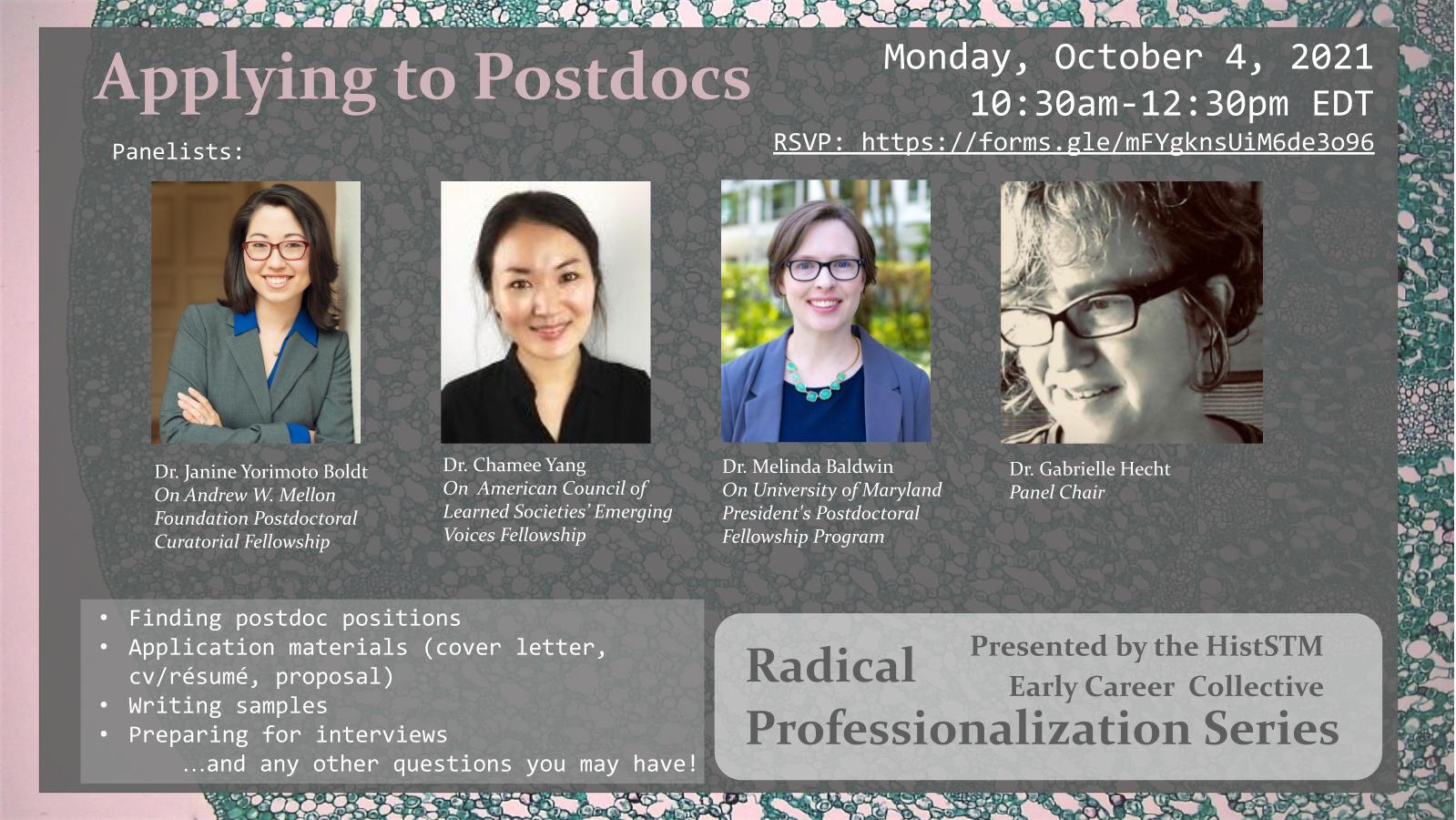
HistSTM Early Career Collective, Radical Professionalization Series "Applying to Postdocs" Oct 4, 2021
Panel with Dr. Janine Yorimoto Boldt, Dr. Melinda Baldwin, chaired by Dr. Gabrielle Hecht